Your Cart
Loading

Do These Moments Feel Familiar?

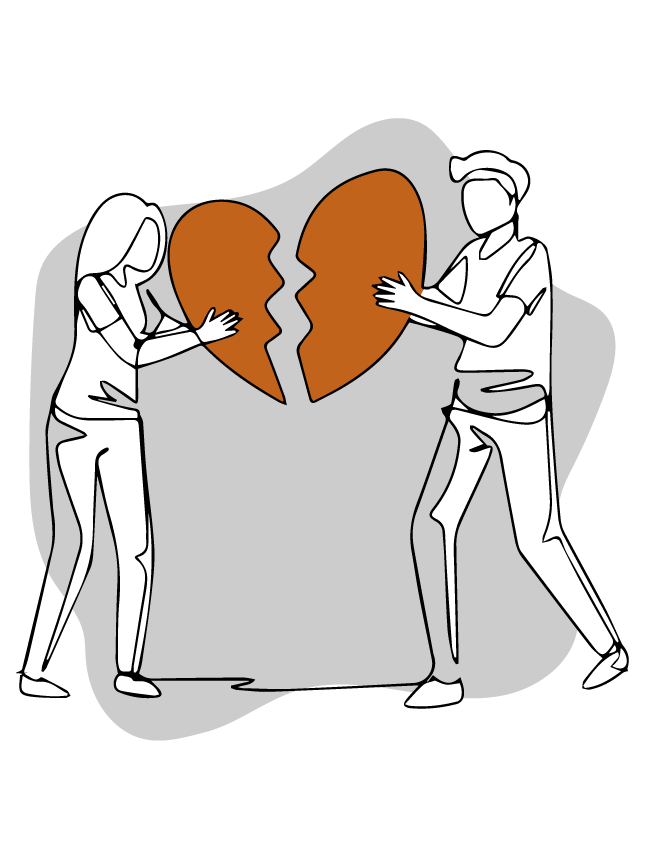
We've all been there — those moments when love feels complicated, when good intentions somehow lead to hurt feelings, and when you wonder why connecting with the person you care about most can feel so challenging. If you've ever found yourself in one of these scenarios, you're not alone. These moments aren't signs of a broken relationship; they're clues to something much deeper.
When Logic Gets in the Way

Ever had this happen? You're catching up on the latest news or unwinding after a long day when your partner walks in, eyes heavy with frustration.

"My boss just doesn't understand me. I hate this job!"

Without missing a beat, you offer fixes: "Maybe talk to HR? Or update your CV? There's a tool I read about—"

But their face falls. They weren't looking for solutions. They were looking for you. To listen. To feel them.


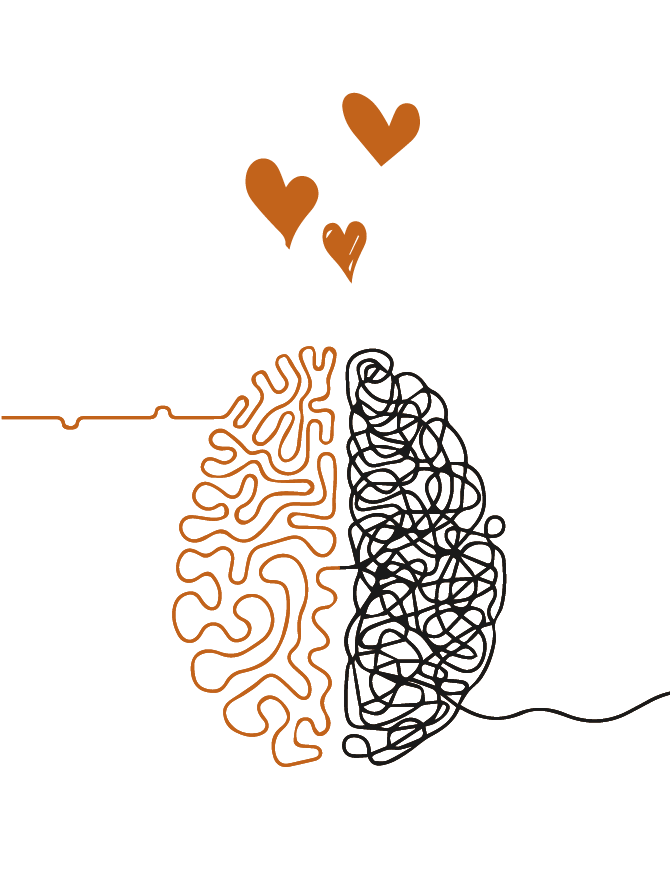
It's not that you don't care. It's that your brain defaults to problem-solving, to logic. A neural bias pulling you toward answers when what's needed is presence. And suddenly you see it — how often connection slips away in the spaces where listening could have been enough.


The Fix-It Trap: When our logical brain kicks in, we miss the emotional need behind the words. Sometimes the most loving response isn't a solution — it's simply being present.


When Emotions Overflow

Or maybe this feels closer to home: you're in the middle of a conversation, trying to explain your side calmly, logically. You think you're being clear. Rational. Fair.

But the other person hears something entirely different. To them, your calm feels cold. Detached. Almost dismissive. Their voice rises. Tears or anger spill over. And you're left thinking: Why are we even fighting?


What You Mean

"I'm staying calm to help us solve this together."


What They Hear

"Your feelings don't matter to me."


It isn't about who's right. It's about emotional language versus rational language colliding. Neural biases again, tugging each of you in opposite directions. And the distance grows, even though you're both desperate to be understood.

When Spontaneity Feels Like Chaos

Picture this: you wake up on a Saturday ready to seize the day. You want to drive out of town, try that new café, maybe even book a last-minute adventure. Life feels best when it's free, unplanned, alive.

But your partner shakes their head. "We can't just go without a plan. What about the laundry? The budget? The schedule?"

Your excitement crashes against their need for structure. To you, they feel rigid. To them, you feel reckless. Neither is wrong. Both are following the pull of their neural preferences — one toward spontaneity, the other toward order. And suddenly what could have been joy turns into conflict.


Spontaneous Brain

Thrives on freedom, adventure, and possibility


Structured Brain

Finds comfort in plans, routines, and predictability

When Structure Turns Into Suffocation

And then there are moments like this: You've spent hours lining everything up. Colour-coded plans. Every detail in its place. You're proud, because this is how you make sense of the world.

But the people around you don't see safety. They see control. They call you rigid. They roll their eyes.

Inside, you wonder: Why can't they see this makes life easier? Why does my way feel like a burden to them?


What Structure Provides

  • Reduces anxiety and uncertainty
  • Creates predictable outcomes
  • Builds efficient systems
  • Provides emotional security

How Others May See It

  • Inflexible and controlling
  • Limiting spontaneous joy
  • Creating unnecessary pressure
  • Stifling creativity and freedom

It's not about right or wrong. It's about different brains finding comfort in different rhythms. One in structure, the other in freedom. The clash was written long before the conversation even began.

The Truth Behind It All

These aren't random clashes. They're the silent influence of neural biases — thinking preferences hardwired into us. They shape how we argue, how we dream, how we love, and how we stumble.


Neural Patterns Form

Early experiences wire our thinking preferences

We React Automatically

Biases trigger without conscious awareness

Patterns Repeat

Same arguments, different days

Conflicts Emerge

Different biases clash in relationships


Most people never realise this. They just keep repeating the same fights, chasing the same goals, running into the same walls — wondering why change never lasts.

The Breakthrough: But once you see the patterns, everything shifts. You understand your partner, your choices, even yourself, in ways you never thought possible.


The Next Step

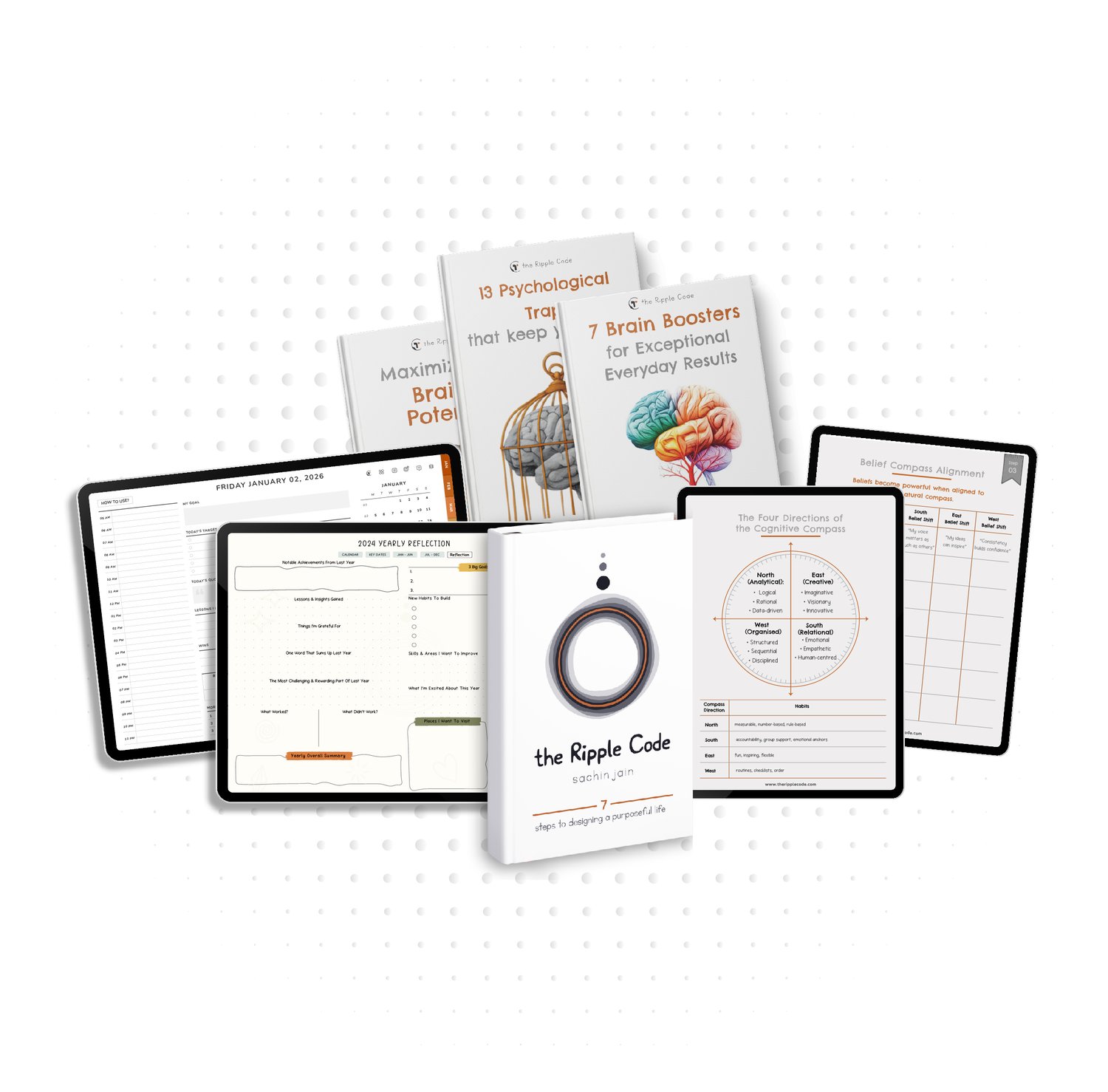
That's where The Ripple Code and the Resolution Bundle come in. They don't promise to change who you are — instead, they give you the clarity to finally work with your natural biases instead of against them.


Spot Your Patterns

Identify your neural biases in less than a minute


Uncover Your True WHY

Discover what really drives you beneath surface-level goals


Communicate with Connection

Learn to make others feel understood, not dismissed


Build Lasting Change

Create habits and choices that stick because they align with who you are


This isn't about fixing you. It's about freeing you.


Your relationships. Your choices. Your life. All waiting for you to stop fighting your brain and start understanding it.